How to Plan a Community Festival
Planning a community festival for 1,000–20,000 attendees requires careful coordination across vendors, performers, city permits, and event logistics.
This guide walks through the timeline and operational strategy behind successful community festivals.
Festival Planning at a Glance
Planning a community festival for 1,000–20,000 attendees typically requires coordinating vendors, performers, volunteers, permits, and safety planning across a six-to-twelve-month planning timeline. Successful community festivals rely on several key components working together — including site layout planning, vendor coordination, permitting, crowd flow management, and contingency planning.
Successful festivals rely on several operational components working together:
festival layout and site design
vendor coordination and food operations
permitting and city approval
crowd flow and accessibility planning
volunteer coordination
contingency planning
Most successful festivals follow a 6–12 month planning cycle.
While every event is different, the timeline shown outlines when major decisions should happen.
-
• Define event scale and goals
• Secure the festival location
• Begin permitting conversations with the city
• Outline major programming like music stages or racesEarly planning is especially important for festivals located in urban areas where traffic closures and safety planning must be coordinated well in advance.
-
• Book headline performers
• Open vendor and food applications
• Coordinate race partners if applicable
• Identify operational vendors like staging, fencing, sanitation, and generatorsVendor communication becomes critical at this stage. Poor communication early can create major issues later.
-
• Build the festival layout
• Confirm power and generator needs
• Finalize vendor selections
• Secure security providers
• Continue permitting approvalsLayout planning becomes extremely detailed here.
Measure seventeen times and stil don’t cut. Fold instead.The layout must consider ADA accessibility, crowd flow, safety corridors, and emergency access.
-
• Distribute vendor load-in instructions
• Finalize volunteer schedules
• Confirm race logistics
• Prepare run-of-show documentation
• Confirm traffic and street closure plansVendor load-in logistics are one of the most difficult parts of festival production. Clear instructions are essential.
Core Components of a Festival

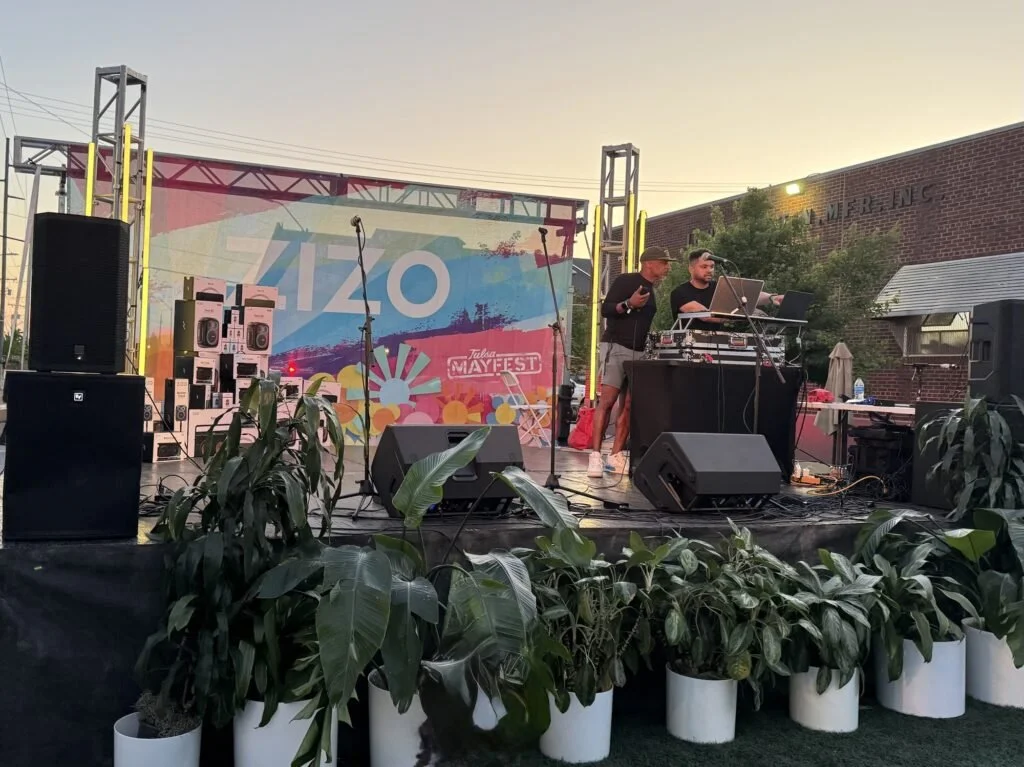
Music programming often anchors the festival. Stage placement must balance sound, crowd flow, and accessibility.
Live Music Stages
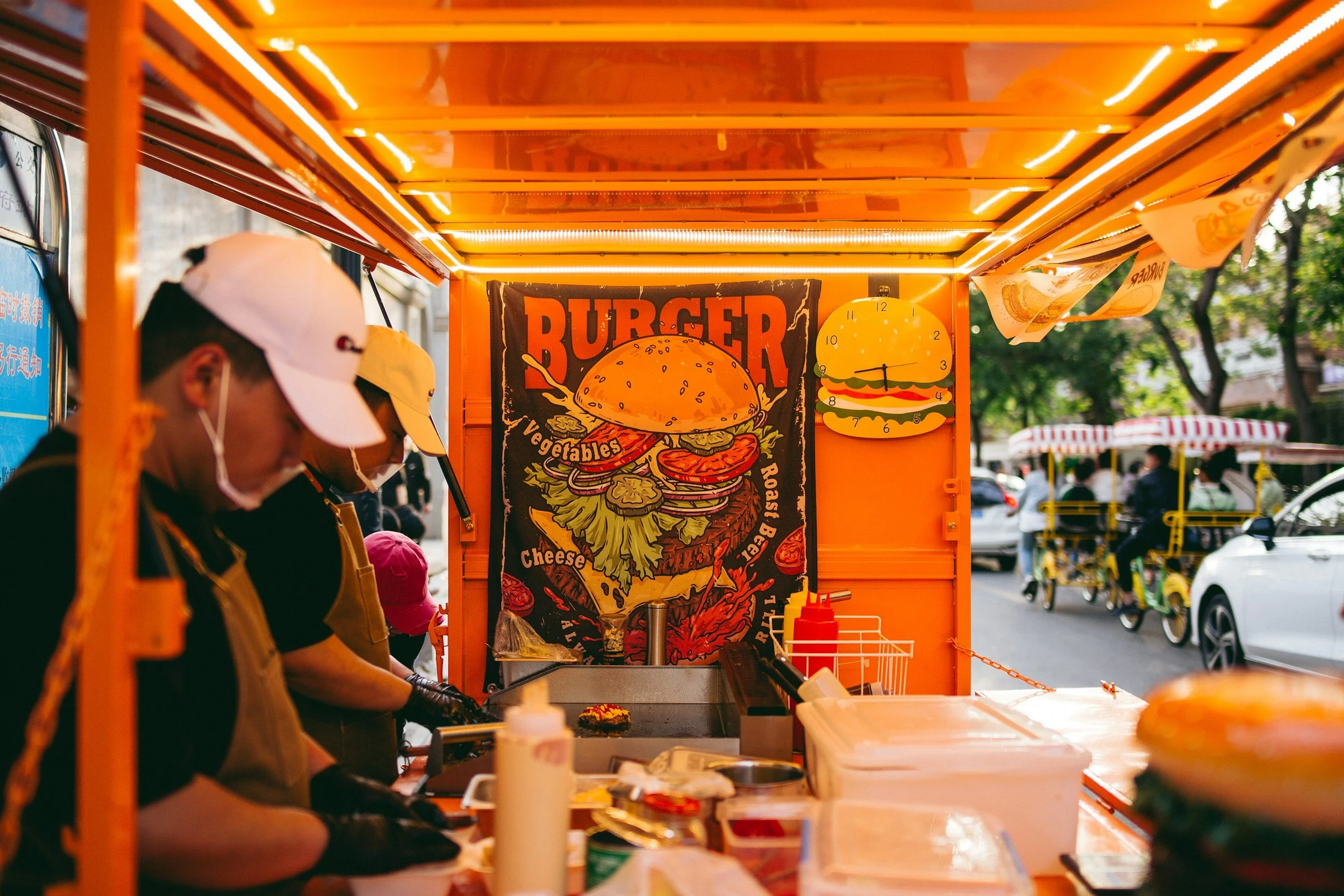
Food vendors require power planning, sanitation coordination, and spacing that supports both safety and foot traffic.
Food Vendors
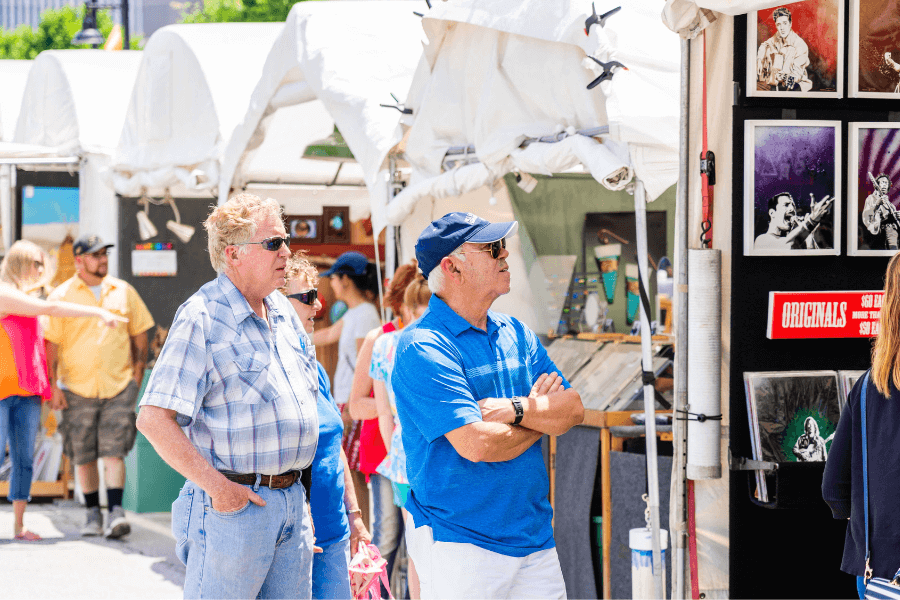
Sponsors often expect visible activations such as branded tents or interactive experiences. These should be integrated thoughtfully into the festival layout.
Brand Activations
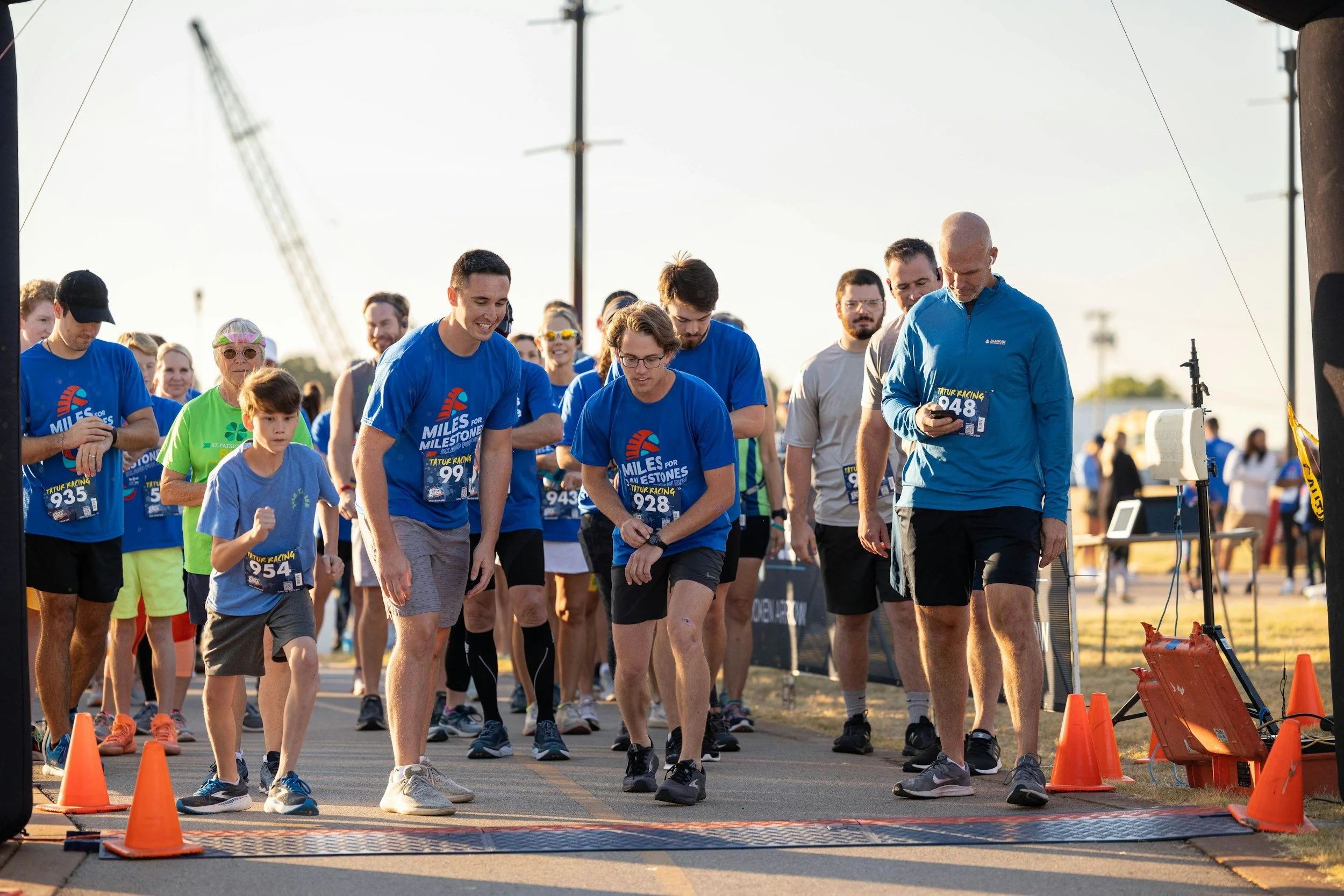
Ticketed programming such as mixers, meet & greets, 5Ks, and fun runs can expand the attendance but require additional safety planning and coordination.
Ticketed Programming
Operational Challenges in Festival Production
Vendor Load-In Logistics
Permitting and City Coordination
Security Planning
Vendor Communication
Layout Planning
Contingency Planning
Why Experienced Event Operators Matter
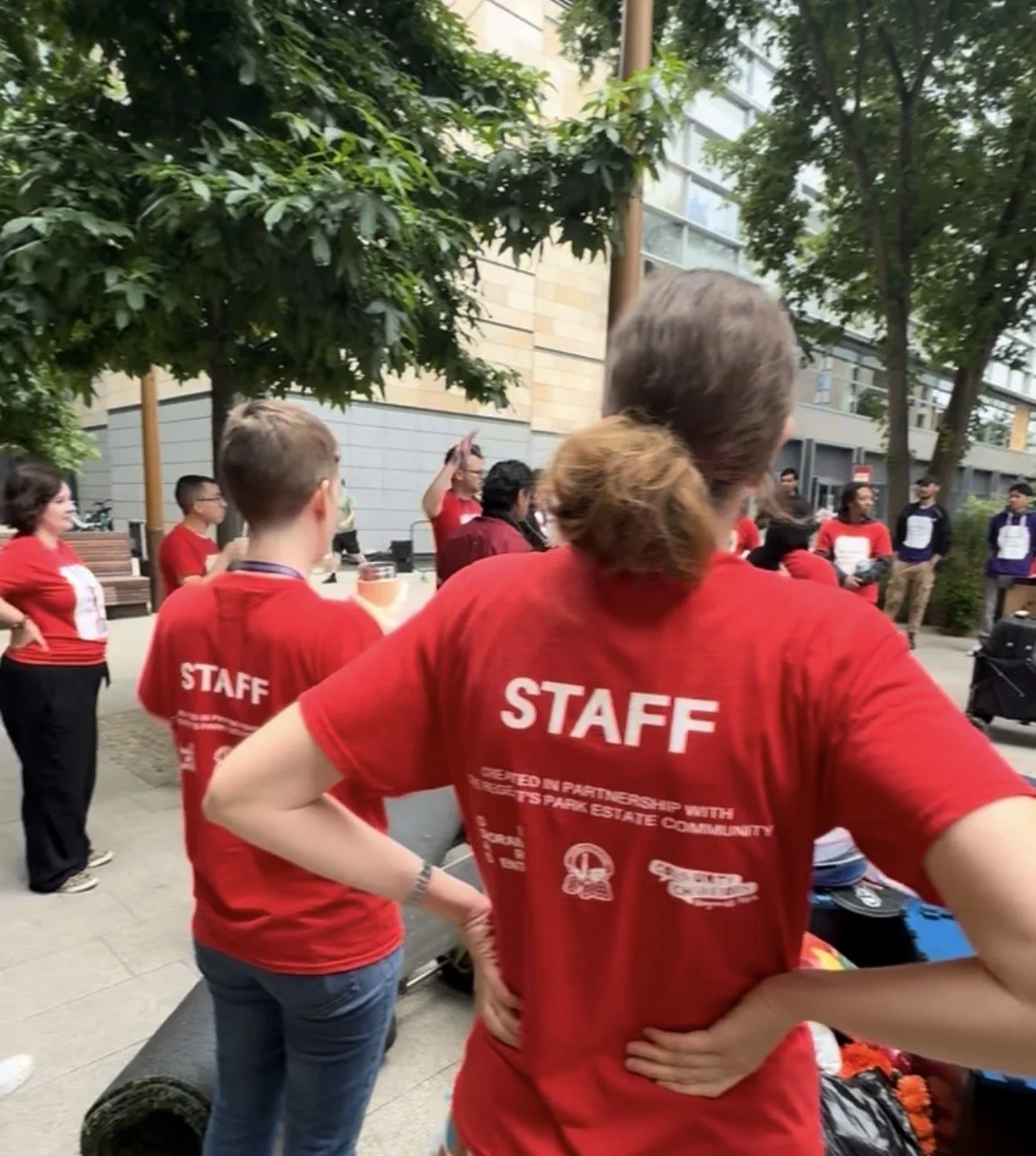
Community festivals depend on dozens of moving parts working together at the right time. Vendors, performers, volunteers, city departments, and production teams must coordinate seamlessly to create an experience that feels effortless to attendees. In reality, that experience is the result of thoughtful festival planning and event production long before the first stage is built or vendor arrives for load-in. Experienced event operators help organizations navigate the complexity behind community festivals—aligning logistics, site planning, vendor coordination, permitting, and safety considerations so the event can run smoothly and deliver the kind of experience communities rave about.
Frequently Asked Questions
-
Most community festivals require six to twelve months of planning depending on event size, permitting requirements, and the number of vendors or performers involved. Larger downtown festivals often require earlier coordination with city departments, street closures, and safety planning.
-
Permit requirements vary by city but often include special event permits, street closure permits, amplified sound permits, alcohol permits, and health department approvals for food vendors. Many cities also require coordination with police, fire, and emergency management departments.
-
Community festivals typically require staging companies, sound and lighting providers, fencing vendors, sanitation services, generators, security teams, food vendors, and production crews to support event operations.
-
Vendor logistics and permitting timelines are often the most challenging parts of festival production. Coordinating dozens of vendors, managing load-in schedules, and aligning city approvals requires careful planning months before the event.
-
Festival layouts must consider crowd flow, ADA accessibility, emergency access routes, vendor spacing, and nearby businesses or residents. Layout planning is one of the most detailed parts of festival production and often requires multiple revisions.
Work with Clara Voz
Producing a successful community festival requires detailed planning, strong vendor coordination, and experienced event operators who understand how complex events come together.
Clara Voz Consulting works with nonprofits, arts organizations, and community groups to support festival planning, vendor logistics, event production, and on-site event operations.
Whether you're planning a new festival or improving an existing one, we help organizations manage the operational details that make events run smoothly.